
What Twin Cities Cat Owners Should Know About Toxic Plants
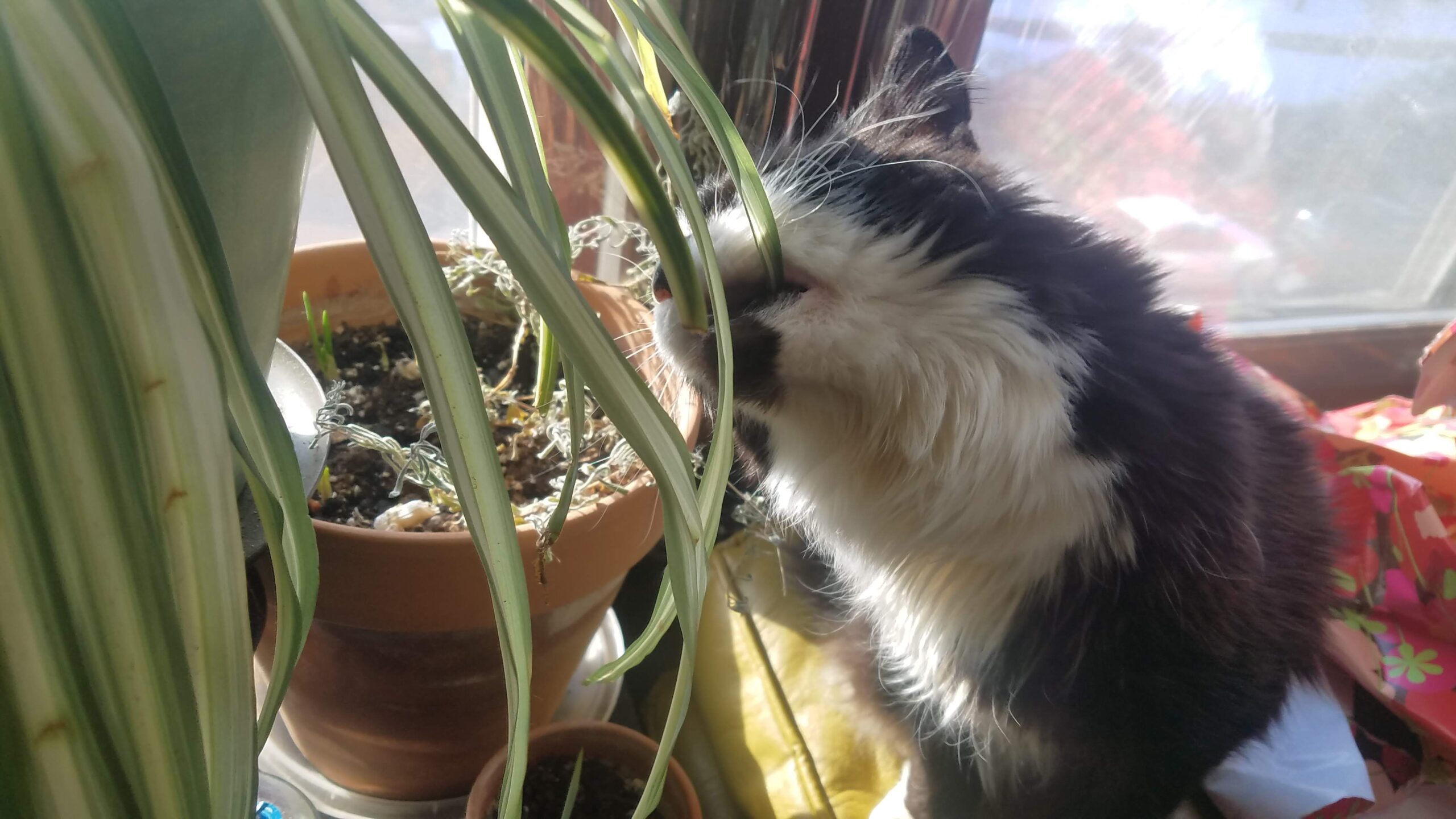
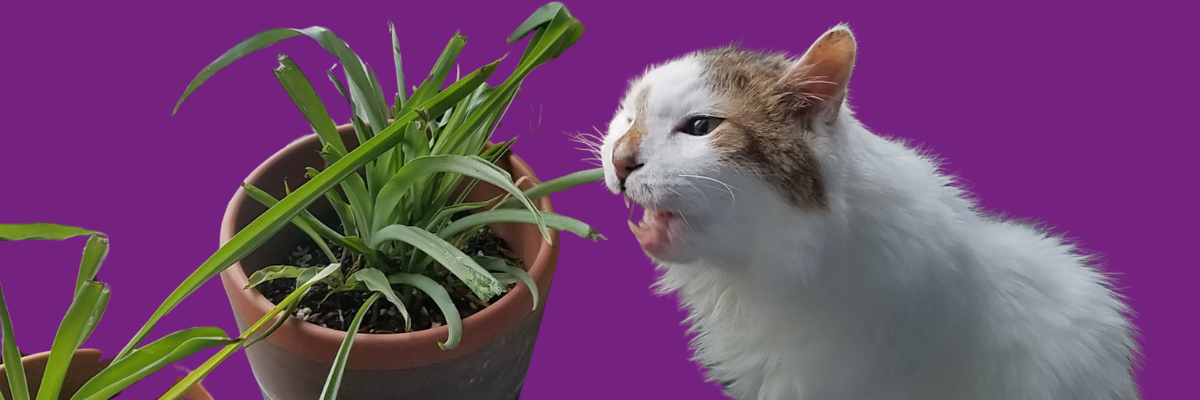
Sugar (header) and Les both loved to chomp on my spider plants summer, spring, winter, and fall.
Spring is a welcome change in Minnesota. Longer days, warmer weather, and the return of greenery often inspire us to bring plants into our homes and gardens.
For cat owners, it is also a time to pause and take a closer look at what those plants may mean for our feline companions.
Many common spring plants, including some of the most popular flowers and houseplants, can be toxic to cats. A little awareness and preparation can go a long way in keeping your home both beautiful and safe.
Common Spring Plants That Are Toxic to Cats
Some of the most recognizable spring plants can pose serious risks to cats if ingested.
Lilies are one of the most dangerous. Even small exposures, such as pollen on fur that is later groomed off, can cause severe kidney failure in cats. Because of this risk, lilies are best avoided entirely in homes with cats.
Other common toxic plants include:
- Tulips and daffodils
- Hyacinths
- Aloe plants
- Pothos
- Sago palm
Cats are naturally curious and may chew on leaves or flowers, especially when exploring new environments. Even indoor cats may interact with houseplants, making it important to consider plant safety year-round.
How to Check If a Plant Is Safe
Before bringing a new plant into your home, it is always best to check whether it is safe for cats.
The ASPCA offers a comprehensive and easy-to-use database of toxic and non-toxic plants.
This resource allows you to search specific plants and confirm whether they are safe for cats, dogs, or both. It is one of the most reliable tools available for pet owners.
If you are unsure about a plant, it is safest to assume caution until you can confirm.
Cat-Safe Plant Alternatives
The good news is that you can still enjoy greenery in your home with cat-friendly options.
Some popular non-toxic plants include:
- Spider plants (this is what you see Sugar and Les munching on in the photos)
- Boston ferns
- Areca palms
- Calathea
- Cat grass or catnip
These plants allow you to bring the freshness of spring indoors without putting your cat at risk. Cat grass and catnip can even provide enrichment and a safe outlet for natural chewing behaviors.
Tips for a Cat-Safe Home
Even with safe plants, a few simple precautions can help prevent accidents:
- Place plants out of reach when possible
- Avoid leaving plant clippings or fallen leaves accessible
- Monitor new plants when first introduced
- Provide enrichment so your cat is less likely to seek out plants for stimulation
Creating a safe environment does not mean removing all plants. It simply means being intentional about what you bring into your space.
A Small Step That Makes a Big Difference
At Caring for Cats, we focus on the whole well-being of every cat in our care, physical, emotional, and environmental. Awareness around common household hazards, like toxic plants, is an important part of responsible pet ownership.
As you refresh your home this spring, taking a few extra moments to choose cat-safe plants can help prevent serious health risks and keep your home a safe place for your feline companion.
If you ever suspect your cat has ingested a toxic plant, contact your veterinarian or the ASPCA Animal Poison Control Center right away.
ASPCA Poison Control Phone Number: (888) 426-4435
ASPCA Poison Control is your best resource for any animal poison-related emergency, 24 hours a day, 365 days a year – please note a consultation fee may apply.